
Are there different types of coffee plastic bags?
In the dynamic world of coffee packaging, the choice of plastic bags plays a pivotal role in preserving the freshness, aroma, and quality of the beloved beverage. As a leading supplier of coffee plastic bags, we understand the diverse needs of coffee roasters, cafes, and retailers. This blog post will explore the different types of coffee plastic bags available, their unique features, and how they can enhance the coffee experience for both businesses and consumers.
1. Stand - Up Pouches
Stand - up pouches are one of the most popular choices for coffee packaging. These bags are designed to stand upright on store shelves, providing excellent visibility and branding opportunities. They are typically made from a combination of materials, such as polyethylene (PE), polypropylene (PP), and aluminum foil.


The aluminum foil layer acts as a barrier against oxygen, moisture, and light, which are the main factors that can degrade the quality of coffee over time. By preventing these elements from reaching the coffee, stand - up pouches help to preserve its freshness and flavor. Many stand - up pouches also come with a resealable zipper, allowing consumers to keep the coffee fresh after opening.
Stand - up pouches can be customized with high - quality printing, enabling coffee brands to showcase their logo, product information, and unique selling points. This makes them an effective marketing tool for coffee businesses. If you are interested in stand - up coffee pouches, you can explore our Coffee Takeaway Bag options.
2. Flat Poly Bags
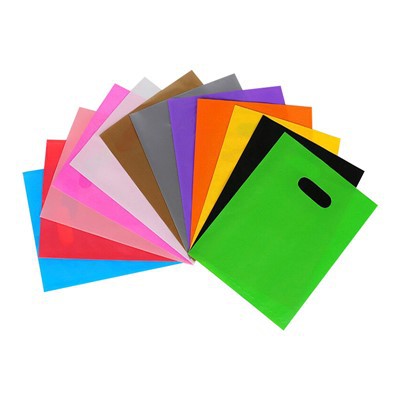
Flat poly bags are a simple and cost - effective option for coffee packaging. They are made from polyethylene, a durable and flexible plastic material. Flat poly bags are available in various sizes and thicknesses, making them suitable for different quantities of coffee.
These bags are ideal for small - scale coffee roasters or cafes that want to offer their customers a basic packaging solution. Flat poly bags can be heat - sealed to keep the coffee fresh, and they can also be printed with basic branding information. While they may not have the same level of visual appeal as stand - up pouches, they are a practical choice for budget - conscious businesses. Check out our Flat Poly Bag offerings for more details.
3. Valve Bags
Valve bags are specifically designed to address the issue of gas release in coffee packaging. When coffee is roasted, it releases carbon dioxide gas. If this gas is trapped inside the bag, it can cause the bag to bulge or even burst. Valve bags have a one - way valve that allows the carbon dioxide to escape while preventing oxygen from entering the bag.
This helps to maintain the freshness and quality of the coffee. Valve bags are commonly used for freshly roasted coffee, as they ensure that the coffee can degas properly without losing its flavor. They are available in different styles, including stand - up valve pouches and flat valve bags.
4. Zip - Up Bags for Coffee
Zip - up bags are another convenient option for coffee packaging. Similar to the Zip Up Bags for Clothes, these bags feature a zipper closure that allows for easy access to the coffee. They are often made from a combination of plastic materials that provide a good barrier against moisture and oxygen.
Zip - up bags are suitable for both retail and home use. They can be used to store coffee beans or ground coffee, and their resealable design helps to keep the coffee fresh for longer. These bags can also be printed with branding and product information, making them a great option for coffee businesses looking to promote their products.
5. Foil Lined Bags
Foil lined bags are an excellent choice for protecting coffee from external factors. The foil lining provides a high - level barrier against oxygen, light, and moisture. This helps to preserve the aroma and flavor of the coffee for an extended period.
Foil lined bags can be used in various forms, such as stand - up pouches or flat bags. They are often used for premium coffee products, as they offer superior protection and can enhance the perceived value of the coffee.
Considerations When Choosing Coffee Plastic Bags
When selecting the right type of coffee plastic bag for your business, several factors need to be considered:
- Barrier Properties: The bag should have good barrier properties to protect the coffee from oxygen, moisture, and light. This ensures that the coffee remains fresh and flavorful.
- Branding Opportunities: Consider the bag's ability to be printed with your brand logo, product information, and other marketing elements. A well - branded bag can help to attract customers and build brand recognition.
- Resealable Feature: A resealable bag allows consumers to keep the coffee fresh after opening, which is an important feature for customer satisfaction.
- Cost: The cost of the bags is an important consideration, especially for small businesses. However, it is important not to compromise on quality for the sake of cost.
Conclusion
As a coffee plastic bag supplier, we offer a wide range of options to meet the diverse needs of the coffee industry. Whether you are a large - scale coffee roaster or a small - independent cafe, there is a suitable coffee plastic bag for you.
The different types of coffee plastic bags, such as stand - up pouches, flat poly bags, valve bags, zip - up bags, and foil lined bags, each have their own unique features and benefits. By choosing the right bag, you can ensure that your coffee remains fresh, flavorful, and well - presented.
If you are interested in learning more about our coffee plastic bags or would like to discuss your specific packaging needs, we encourage you to get in touch with us. We are committed to providing high - quality packaging solutions that meet the highest standards of the coffee industry. Let's work together to find the perfect coffee plastic bag for your business.
References
- "Packaging for Coffee: An Overview" by Smith, J. (2020). Journal of Food Packaging Science.
- "The Importance of Barrier Materials in Coffee Packaging" by Johnson, A. (2019). International Journal of Food Science and Technology.