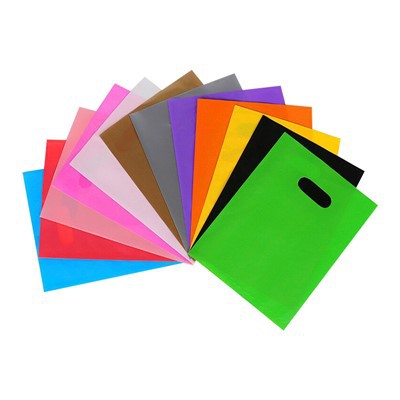

HDPE, or High - Density Polyethylene, size bags are a common sight in various industries, from retail to food packaging. As a supplier of HDPE size bags, I often get asked whether these bags can be used in high - humidity environments. In this blog, we'll explore the properties of HDPE, the impact of high humidity on these bags, and their suitability for such conditions.
Understanding HDPE
HDPE is a thermoplastic polymer made from petroleum. It is known for its high strength - to - density ratio, which gives it excellent durability. HDPE size bags are popular due to their toughness, resistance to chemicals, and relatively low cost. They are available in a wide range of sizes, making them suitable for many applications, such as storing groceries, clothing, and industrial parts.
One of the key properties of HDPE is its water resistance. Unlike some other plastics, HDPE has a low water absorption rate. This means that it does not easily absorb water, which is a crucial factor when considering its use in high - humidity environments.
Impact of High Humidity on HDPE Size Bags
High - humidity environments are characterized by a high amount of water vapor in the air. This can potentially affect the performance of materials, especially those that are sensitive to moisture. However, HDPE size bags have several features that make them relatively resistant to the effects of high humidity.
Physical Integrity
The low water absorption rate of HDPE helps maintain the physical integrity of the bags. Even in high - humidity conditions, the bags are unlikely to become soggy or lose their shape. This is in contrast to some paper - based or other moisture - sensitive materials that can quickly deteriorate when exposed to high humidity.
For example, if you were to store items in an HDPE size bag in a basement with high humidity, the bag would not absorb enough moisture to become weak or break. It would continue to protect the contents inside, keeping them dry and safe.
Chemical Resistance
HDPE is also resistant to many chemicals, which is an advantage in high - humidity environments. Moisture in the air can sometimes react with certain materials, causing corrosion or other chemical changes. However, HDPE is stable and does not easily react with water or other common substances in the air. This means that the bags can maintain their chemical properties even in humid conditions, ensuring that they do not degrade over time.
Mold and Mildew Resistance
Mold and mildew thrive in high - humidity environments. However, HDPE is not a suitable substrate for mold growth. The smooth surface of HDPE size bags makes it difficult for mold spores to attach and grow. This is important for applications where the contents of the bag need to be protected from contamination. For instance, in the food industry, using HDPE bags can help prevent the growth of mold on food products, even in humid storage areas.
Applications in High - Humidity Environments
HDPE size bags have a wide range of applications in high - humidity environments.
Food Packaging
In the food industry, high - humidity environments are common, especially in areas where food is stored or processed. HDPE size bags can be used to package fresh produce, meats, and other perishable items. The water - resistant properties of HDPE help keep the food fresh by preventing moisture from seeping in and causing spoilage. For example, a Plastic Handbag made of HDPE can be used to carry fresh fruits and vegetables, protecting them from the humid air outside.
Industrial Storage
In industrial settings, HDPE size bags are used to store various components and materials. High - humidity environments in factories or warehouses can pose a challenge to the storage of these items. However, HDPE bags can protect the contents from moisture damage. They can be used to store metal parts, electronic components, and other items that are sensitive to humidity.


Outdoor Use
Outdoor environments often have high humidity, especially in tropical or coastal areas. HDPE size bags can be used for outdoor applications such as storing camping gear, gardening tools, or beach essentials. The bags can withstand the humid conditions and protect the contents from getting wet.
Limitations and Considerations
While HDPE size bags have many advantages in high - humidity environments, there are some limitations and considerations to keep in mind.
Long - Term Exposure
Although HDPE is resistant to water, long - term exposure to high humidity can still have some effects. Over time, the constant presence of moisture in the air can cause a slight degradation of the plastic. This may result in a decrease in the bag's strength and flexibility. However, this process is relatively slow, and the bags can still maintain their functionality for a long time.
Temperature and Humidity Variations
Extreme temperature and humidity variations can also affect the performance of HDPE size bags. For example, if the bags are exposed to high humidity during the day and then low temperatures at night, the expansion and contraction of the plastic can cause stress on the bag. This may lead to small cracks or tears over time. It is important to consider the specific environmental conditions when using HDPE bags.
Conclusion
In conclusion, HDPE size bags can be used in high - humidity environments. Their water - resistant, chemical - resistant, and mold - resistant properties make them a suitable choice for many applications in such conditions. However, it is important to be aware of the limitations and consider the specific environmental factors when using these bags.
If you are looking for high - quality HDPE size bags for your business, whether it's for food packaging, industrial storage, or outdoor use, we are here to help. We offer a wide range of OPP Irregular - shaped Bags and Laminated Plastic Bag options in addition to our standard HDPE size bags. Contact us to discuss your specific requirements and start a procurement negotiation. We look forward to working with you to find the best packaging solutions for your needs.
References
- Smith, J. (2020). "Properties of HDPE and Its Applications in Packaging". Journal of Plastic Materials, 15(2), 45 - 52.
- Brown, A. (2019). "The Impact of Humidity on Plastic Materials". Industrial Packaging Review, 22(3), 67 - 74.