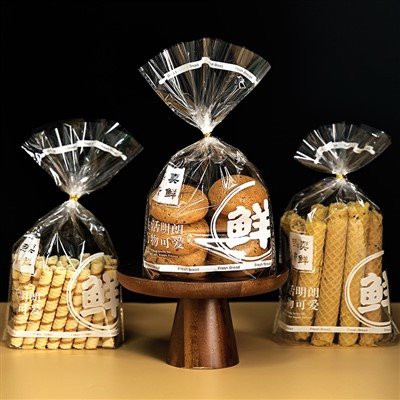

As a supplier of disposable food pouches, I often receive inquiries from customers about the various applications of our products. One common question that has piqued the interest of many is, "Can I use disposable food pouches for storing cooked pasta?" In this blog post, I will delve into this topic, exploring the suitability of disposable food pouches for storing cooked pasta, the benefits, potential drawbacks, and best practices.
Suitability of Disposable Food Pouches for Storing Cooked Pasta
Disposable food pouches can indeed be a viable option for storing cooked pasta. These pouches are typically made from food - grade materials that are safe for contact with food. They come in a variety of sizes and thicknesses, allowing you to choose the most appropriate pouch for your needs.
One of the key advantages of using disposable food pouches for cooked pasta is their ability to provide an air - tight seal. This helps to prevent air and moisture from entering the pouch, which can lead to spoilage and the growth of bacteria. By keeping the pasta in an air - tight environment, you can extend its shelf life and maintain its quality.
Another benefit is the flexibility of the pouches. They can be easily folded and stored in the refrigerator or freezer, taking up less space compared to traditional storage containers. This makes them a convenient option for both home and commercial use.
Benefits of Using Disposable Food Pouches
1. Cost - effective
Disposable food pouches are generally more affordable than reusable storage containers. This is especially beneficial for businesses that need to store large quantities of cooked pasta. By using disposable pouches, you can save on the cost of purchasing and cleaning reusable containers.
2. Hygiene
Since disposable food pouches are used only once, they eliminate the risk of cross - contamination. This is particularly important when storing cooked food, as bacteria can easily grow on reusable containers if not properly cleaned.
3. Customization
Disposable food pouches can be customized with your logo, brand name, and other information. This not only helps to promote your brand but also makes your products more recognizable to customers.
Potential Drawbacks
1. Environmental Impact
One of the main concerns with disposable food pouches is their environmental impact. Most disposable pouches are made from plastic, which can take hundreds of years to decompose. However, some manufacturers are now offering biodegradable and compostable options, which can help to reduce the environmental footprint.
2. Limited Durability
Disposable food pouches are not as durable as reusable containers. They can be easily punctured or torn, which may lead to leakage and spoilage of the pasta. It is important to handle the pouches with care to avoid any damage.
Best Practices for Storing Cooked Pasta in Disposable Food Pouches
1. Cool the Pasta First
Before storing the cooked pasta in a disposable food pouch, make sure it has cooled down to room temperature. This helps to prevent condensation from forming inside the pouch, which can lead to spoilage.
2. Remove Excess Air
When sealing the pouch, try to remove as much air as possible. You can use a vacuum sealer or simply press the air out by hand before sealing. This helps to create an air - tight environment and extend the shelf life of the pasta.


3. Label the Pouch
It is important to label the pouch with the date of storage and the type of pasta. This helps you to keep track of the freshness of the pasta and ensures that you use it within a reasonable time frame.
4. Store in the Right Place
Store the pouches of cooked pasta in the refrigerator or freezer, depending on how long you plan to keep them. If you plan to consume the pasta within a few days, the refrigerator is sufficient. However, if you want to store it for a longer period, the freezer is a better option.
Our Disposable Food Pouches
At our company, we offer a wide range of disposable food pouches suitable for storing cooked pasta. Our pouches are made from high - quality food - grade materials that are safe for contact with food. We also offer customization options, allowing you to add your brand logo and information to the pouches.
In addition to disposable food pouches for pasta, we also provide other types of food packaging solutions. For example, we have Coffee Plastic Bag for storing coffee, Beverage Takeaway Bag for takeaway beverages, and Flat Poly Bag for various food items.
Conclusion
In conclusion, disposable food pouches can be a convenient and practical option for storing cooked pasta. They offer several benefits, such as cost - effectiveness, hygiene, and customization. However, it is important to be aware of the potential drawbacks, such as environmental impact and limited durability. By following the best practices outlined in this blog post, you can ensure that your cooked pasta stays fresh and safe for consumption.
If you are interested in purchasing our disposable food pouches or other food packaging solutions, please feel free to contact us for more information and to discuss your specific requirements. We look forward to serving you and helping you find the perfect packaging solution for your needs.
References
- Food Packaging Association. (2023). Guidelines for Safe Food Storage in Disposable Pouches.
- International Journal of Food Science. (2022). Impact of Packaging Materials on the Shelf Life of Cooked Pasta.
- Environmental Protection Agency. (2023). Reducing Plastic Waste in the Food Packaging Industry.