
Hey there! I'm a supplier of HDPE Size Bags, and I know how frustrating static cling can be. It's one of those pesky problems that can make handling these bags a real pain. But don't worry, I've got some tips and tricks up my sleeve to help you prevent static cling and make your life a whole lot easier.
First off, let's understand what causes static cling in HDPE bags. HDPE, or high-density polyethylene, is a type of plastic that can easily build up static electricity. When two surfaces rub against each other, electrons are transferred, creating a charge. This charge can cause the bags to stick to each other or to other objects, making them difficult to separate and handle.
One of the simplest ways to prevent static cling is to use an anti-static agent. There are many different types of anti-static agents available on the market, and they work by neutralizing the static charge on the surface of the bags. You can find anti-static sprays, wipes, and additives that can be applied directly to the bags. Just make sure to follow the instructions on the product carefully to ensure that you're using it correctly.
Another way to prevent static cling is to control the humidity in your environment. Static electricity is more likely to build up in dry conditions, so increasing the humidity can help reduce the charge. You can use a humidifier to add moisture to the air, or you can place a bowl of water near the bags to help keep the air moist.
If you're handling HDPE bags in a manufacturing or packaging environment, you can also use grounding equipment to prevent static cling. Grounding equipment works by providing a path for the static charge to flow to the ground, preventing it from building up on the bags. You can use grounding straps, mats, or other types of grounding equipment to ensure that your bags are properly grounded.
In addition to these methods, there are also some simple things you can do to reduce static cling when handling HDPE bags. For example, you can avoid wearing clothing made of synthetic materials, as these can generate static electricity. You can also use a static-free workbench or surface to handle the bags, and you can avoid rubbing the bags against each other or other objects.
Now, let's talk about the benefits of using HDPE Size Bags. HDPE bags are a popular choice for many different applications because they are strong, durable, and lightweight. They are also resistant to moisture, chemicals, and UV radiation, making them ideal for use in a variety of environments.


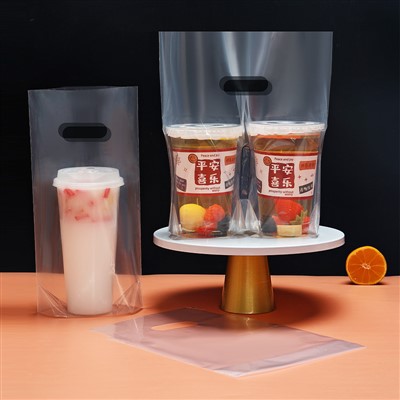
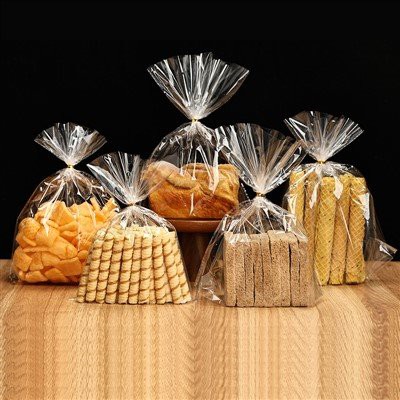
If you're looking for a high-quality HDPE Size Bag, I recommend checking out our HDPE Size Bag selection. We offer a wide range of sizes and styles to meet your needs, and we can also print custom designs on the bags to help you promote your brand.
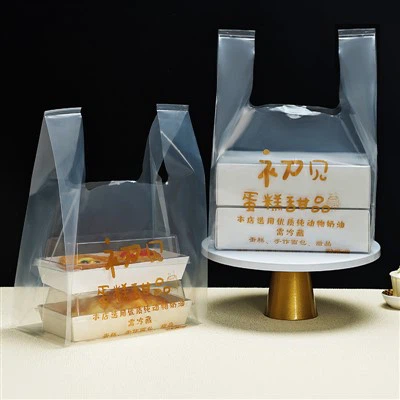
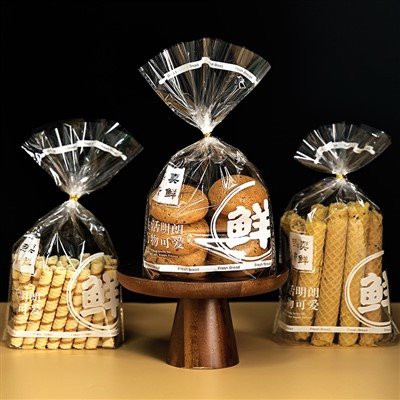
In addition to HDPE Size Bags, we also offer HDPE Printed Bag and Plastic Handbag options. Our HDPE Printed Bags are a great way to add a professional touch to your packaging, and our Plastic Handbags are perfect for carrying groceries, gifts, or other items.
If you're interested in learning more about our products or if you have any questions about preventing static cling in HDPE bags, please don't hesitate to contact us. We're always happy to help, and we can provide you with more information about our products and services.
In conclusion, preventing static cling in HDPE Size Bags is an important issue that can have a big impact on your business. By using anti-static agents, controlling the humidity, using grounding equipment, and taking other simple steps, you can reduce the amount of static charge on your bags and make them easier to handle. And if you're in the market for high-quality HDPE bags, be sure to check out our selection. We're confident that you'll find the perfect bags for your needs.
References:
- "Static Electricity and Plastics." Plastics Technology.
- "How to Prevent Static Cling in Plastic Bags." Packaging Digest.
- "Anti-Static Agents for Plastics." Plastics Additives Handbook.