
Hey there! I'm a plastic bag supplier, and today, I wanna chat about how plastic bags affect marine ecosystems. It's a topic that's been on my mind a lot lately, and I think it's super important to understand the impact our products have on the environment.
First off, let's talk about how plastic bags end up in the ocean. You know, it's crazy how easy it is for these things to get into our waterways. A lot of times, they just blow away from trash cans or get washed down drains during heavy rain. Once they're in the water, they can travel long distances, carried by ocean currents. And because plastic bags are so lightweight, they can float on the surface for years, slowly breaking down into smaller and smaller pieces.


One of the biggest problems with plastic bags in the ocean is that they can be mistaken for food by marine animals. Sea turtles, for example, often think plastic bags are jellyfish, which are a major part of their diet. When they eat the plastic bags, it can block their digestive systems, causing them to starve to death. Birds, fish, and other marine creatures can also get entangled in plastic bags, which can lead to injury or death.
Another issue is that plastic bags can release harmful chemicals into the water as they break down. These chemicals can have a negative impact on the health of marine life, as well as on the overall ecosystem. For example, some of the chemicals in plastic bags can disrupt the hormonal systems of marine animals, which can affect their reproduction and development.
So, as a plastic bag supplier, what can I do to help reduce the impact of my products on the marine ecosystem? Well, one thing I can do is to promote the use of reusable bags. Reusable bags are a great alternative to single-use plastic bags, as they can be used over and over again, reducing the amount of plastic waste that ends up in the ocean. I can also encourage my customers to recycle their plastic bags, which can help to keep them out of the environment.
In addition to promoting reusable bags and recycling, I can also work to develop more sustainable plastic bag options. For example, I can look into using biodegradable or compostable materials to make my bags. These types of materials break down more quickly in the environment, reducing the amount of plastic waste that accumulates over time.
Now, I know what you're thinking. "But plastic bags are so convenient! How can I give them up?" Well, I get it. Plastic bags are definitely convenient, but there are plenty of other options out there that are just as convenient, if not more so. For example, you can use reusable tote bags, which are great for carrying groceries and other items. You can also use mesh produce bags, which are perfect for carrying fruits and vegetables.
And if you really need to use a plastic bag, there are some options that are more sustainable than others. For example, you can look for HDPE Printed Bag, which are made from high-density polyethylene, a type of plastic that is more durable and recyclable than other types of plastic. You can also look for Laminated Plastic Bag, which are made from a combination of plastic and paper, making them more environmentally friendly.
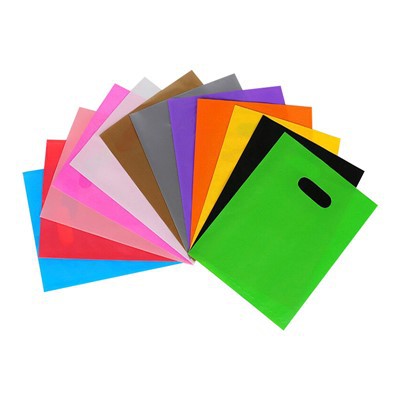
Another option is Plastic Handbag, which are a great alternative to traditional plastic bags. These bags are often made from recycled materials and are designed to be more durable and reusable. They also come in a variety of styles and colors, so you can find one that suits your needs and style.
So, there you have it. That's how plastic bags affect marine ecosystems, and what I'm doing as a plastic bag supplier to help reduce their impact. I hope this blog post has been informative and helpful. If you have any questions or comments, please feel free to leave them below. And if you're interested in purchasing plastic bags from me, please don't hesitate to contact me. I'd be happy to work with you to find the right solution for your needs.
References
- National Oceanic and Atmospheric Administration. (n.d.). Marine Debris. Retrieved from https://marinedebris.noaa.gov/
- United Nations Environment Programme. (2018). Single-Use Plastics: A Roadmap for Sustainability. Retrieved from https://www.unep.org/resources/report/single-use-plastics-roadmap-sustainability
- World Wildlife Fund. (n.d.). Plastic Pollution. Retrieved from https://www.worldwildlife.org/threats/plastic-pollution