
Hey there! As a supplier of Disposable Food Pouches, I often get asked about how long food can stay fresh in these handy little containers. It's a crucial question, especially when you're looking to keep your food safe and delicious for as long as possible. So, let's dive right in and explore the factors that affect food freshness in disposable food pouches.
Understanding the Basics of Disposable Food Pouches
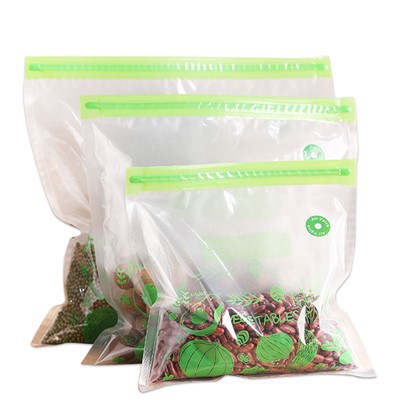
First off, let's talk a bit about what disposable food pouches are. These are single - use bags designed specifically for storing food. They come in various sizes, shapes, and materials, each with its own set of properties that can impact food freshness.
Disposable food pouches are made from different types of plastics, such as polyethylene. Polyethylene is a popular choice because it's lightweight, flexible, and relatively inexpensive. It also provides a certain level of protection against oxygen, moisture, and light, which are all factors that can cause food to spoil.
You can check out our Disposable Food Pouches for a wide range of options that suit different food storage needs.
Factors Affecting Food Freshness in Pouches
1. Oxygen
Oxygen is one of the main enemies of food freshness. It can cause oxidation, which leads to the breakdown of fats, proteins, and vitamins in food. This can result in off - flavors, discoloration, and a loss of nutritional value.


Disposable food pouches can help reduce the amount of oxygen that comes into contact with the food. Some pouches are designed with oxygen - barrier properties, which means they can block oxygen from entering the pouch. However, the effectiveness of these barriers can vary depending on the quality of the pouch material.
2. Moisture
Moisture is another factor that can affect food freshness. Too much moisture can promote the growth of bacteria, mold, and yeast, which can cause food to spoil. On the other hand, too little moisture can cause food to dry out and become tough.
Disposable food pouches can help control moisture levels. Some pouches are made with materials that are moisture - resistant, which can prevent moisture from entering or leaving the pouch. This is especially important for foods that are sensitive to moisture, such as bread, cookies, and dried fruits.
3. Light
Light can also have a negative impact on food freshness. Ultraviolet (UV) light, in particular, can cause the breakdown of vitamins and pigments in food, leading to a loss of color, flavor, and nutritional value.
Disposable food pouches can provide some protection against light. Some pouches are made with opaque materials that block out light, while others have a layer of aluminum foil that reflects light. This can help keep food fresh for longer.
4. Temperature
Temperature plays a crucial role in food freshness. Most foods need to be stored at a specific temperature to stay fresh. For example, perishable foods like meat, dairy, and eggs need to be stored in the refrigerator at a temperature below 40°F (4°C).
Disposable food pouches can help maintain the temperature of the food. They can act as an insulator, preventing heat from entering or leaving the pouch. However, it's important to note that the pouch alone cannot keep food cold or hot for an extended period. You still need to store the pouch in the appropriate environment.
How Long Can Different Types of Food Stay Fresh?
1. Fruits and Vegetables
Fruits and vegetables can vary in terms of their shelf life in disposable food pouches. Generally, fresh fruits and vegetables can stay fresh for a few days to a week in a pouch. However, this can depend on the type of fruit or vegetable. For example, berries are more perishable and may only last a couple of days, while apples and carrots can last up to a week.
To extend the shelf life of fruits and vegetables, you can store them in the refrigerator. You can also remove as much air as possible from the pouch before sealing it to reduce oxidation.
2. Meats and Poultry
Meats and poultry are highly perishable and need to be stored properly to stay fresh. In a disposable food pouch, raw meat and poultry can stay fresh in the refrigerator for 1 - 2 days. If you want to store them for a longer period, you can freeze them. Frozen meat and poultry can stay fresh for several months in a pouch.
When storing meat and poultry in a pouch, make sure to remove as much air as possible to prevent freezer burn. You can also use a vacuum sealer to remove air more effectively.
3. Dairy Products
Dairy products, such as milk, cheese, and yogurt, also have a limited shelf life. In a disposable food pouch, milk can stay fresh in the refrigerator for about a week. Cheese can last for a few weeks, depending on the type of cheese. Yogurt can stay fresh for about 1 - 2 weeks.
It's important to store dairy products in the refrigerator at all times to prevent the growth of bacteria. Make sure to seal the pouch tightly to keep out air and moisture.
4. Dry Goods
Dry goods, such as cereals, pasta, and rice, have a longer shelf life compared to perishable foods. In a disposable food pouch, dry goods can stay fresh for several months to a year. However, it's important to store them in a cool, dry place to prevent spoilage.
You can also use Eco Friendly Storage Bags for storing dry goods. These bags are made from environmentally friendly materials and can provide good protection against moisture and pests.
Tips for Keeping Food Fresh in Disposable Food Pouches
- Remove Air: As mentioned earlier, air can cause oxidation and spoilage. Make sure to remove as much air as possible from the pouch before sealing it. You can do this by pressing the pouch gently to expel the air or using a vacuum sealer.
- Seal Properly: A good seal is essential for keeping food fresh. Make sure the pouch is sealed tightly to prevent air and moisture from entering.
- Store in the Right Environment: Different foods require different storage conditions. Make sure to store the pouch in the appropriate environment, such as the refrigerator or freezer, depending on the type of food.
- Label the Pouch: It's a good idea to label the pouch with the date of storage and the type of food. This can help you keep track of how long the food has been stored and when it needs to be consumed.
Conclusion
In conclusion, the length of time food can stay fresh in disposable food pouches depends on several factors, including oxygen, moisture, light, and temperature. By understanding these factors and following the tips mentioned above, you can extend the shelf life of your food and keep it fresh for longer.
If you're interested in purchasing high - quality disposable food pouches, we're here to help. Our pouches are designed to provide excellent protection for your food and are available in a variety of sizes and styles. Whether you're a home cook or a food business, we have the right solution for you. Contact us to start a purchase negotiation and find the perfect disposable food pouches for your needs.
References
- "Food Storage and Safety Guide" by the United States Department of Agriculture
- "Principles of Food Science" by John M. Jay