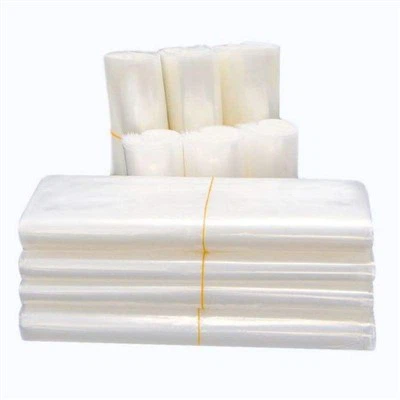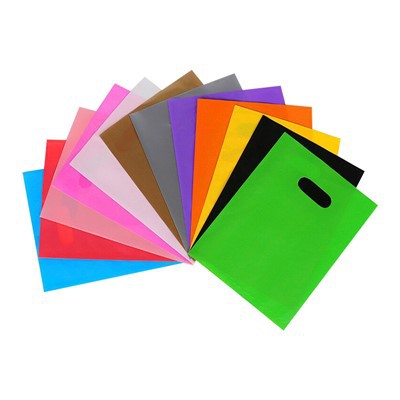

Moisture resistance is a crucial property for many types of packaging, and HDPE size bags are no exception. As a supplier of HDPE Size Bag, I understand the importance of this characteristic and its impact on the performance and usability of our products. In this blog post, I will delve into the moisture resistance of HDPE size bags, exploring how it is achieved, its benefits, and considerations for different applications.
Understanding HDPE and Its Moisture - Resistant Properties
HDPE, or High - Density Polyethylene, is a thermoplastic polymer known for its high strength - to - density ratio. It is made from the polymerization of ethylene monomers under high pressure and high temperature. The molecular structure of HDPE consists of long, linear chains of polyethylene molecules that are tightly packed together. This dense molecular arrangement is what gives HDPE its excellent moisture - resistant properties.
The tight packing of the polymer chains in HDPE creates a barrier that restricts the passage of water molecules. Unlike some other materials, HDPE does not absorb water easily. Water molecules find it difficult to penetrate the dense structure of the polymer, which means that HDPE size bags can effectively keep moisture out. This is particularly important for products that are sensitive to moisture, such as food items, electronics, and pharmaceuticals.
How Moisture Resistance is Achieved in HDPE Size Bags
The moisture resistance of HDPE size bags is primarily a result of the material's inherent properties. During the manufacturing process, HDPE resin is melted and extruded into a thin film. This film is then used to make the bags. The extrusion process aligns the polymer chains in a way that enhances the barrier properties of the film.
In addition to the natural moisture - resistant properties of HDPE, some manufacturers may also add additives to further improve the moisture resistance of the bags. These additives can modify the surface properties of the HDPE, making it even more difficult for water to adhere to the bag. For example, some additives can create a hydrophobic surface, which repels water and prevents it from soaking into the bag.
Benefits of Moisture - Resistant HDPE Size Bags
- Product Protection: One of the most significant benefits of moisture - resistant HDPE size bags is the protection they offer to the products inside. Moisture can cause a variety of problems, such as mold growth, corrosion, and degradation of the product. By keeping moisture out, HDPE bags can extend the shelf life of products and maintain their quality.
- Cost - Effectiveness: HDPE is a relatively inexpensive material compared to some other moisture - resistant packaging options. This makes HDPE size bags a cost - effective choice for businesses looking to protect their products from moisture without breaking the bank.
- Versatility: HDPE size bags come in a wide range of sizes and shapes, making them suitable for a variety of applications. Whether you need to package small items like jewelry or large items like industrial parts, there is an HDPE size bag that can meet your needs.
Considerations for Different Applications
- Food Packaging: In the food industry, moisture - resistant HDPE size bags are essential for keeping food fresh and preventing spoilage. However, it is important to ensure that the HDPE used in food packaging meets the relevant safety standards. For example, the HDPE should be free from harmful chemicals and contaminants that could leach into the food.
- Electronics Packaging: Electronics are highly sensitive to moisture, which can cause short - circuits and other malfunctions. HDPE size bags with high moisture resistance can protect electronics during storage and transportation. Additionally, some HDPE bags may be treated with anti - static agents to prevent static electricity from damaging the electronic components.
- Pharmaceutical Packaging: Pharmaceuticals need to be protected from moisture to maintain their efficacy. HDPE size bags can provide a reliable barrier against moisture, ensuring that the drugs remain stable and effective. However, it is important to consider the compatibility of the HDPE with the specific pharmaceutical product, as some drugs may react with the polymer.
Comparing HDPE Size Bags with Other Types of Plastic Bags
When it comes to moisture resistance, HDPE size bags have some advantages over other types of plastic bags. For example, compared to Plastic Handbag, which may be made from lower - density polyethylene or other materials, HDPE size bags generally offer better moisture protection. The higher density of HDPE creates a more effective barrier against water molecules.
Laminated Plastic Bag is another option for moisture - resistant packaging. Laminated plastic bags are made by bonding multiple layers of plastic together, which can enhance the moisture - resistant properties. However, HDPE size bags are often more cost - effective and easier to recycle compared to laminated plastic bags.


Testing the Moisture Resistance of HDPE Size Bags
To ensure the quality and performance of our HDPE size bags, we conduct various tests to measure their moisture resistance. One common test is the water vapor transmission rate (WVTR) test. This test measures the amount of water vapor that passes through a given area of the HDPE film over a specific period of time. A lower WVTR indicates better moisture resistance.
We also perform real - world simulations to test how the bags perform under different environmental conditions. For example, we may expose the bags to high humidity or immersion in water to see how they hold up. These tests help us to identify any potential issues and make improvements to our products.
Conclusion
The moisture resistance of HDPE size bags is a key factor in their performance and suitability for various applications. Thanks to the inherent properties of HDPE and the manufacturing processes used to make the bags, they offer excellent protection against moisture. Whether you are in the food, electronics, or pharmaceutical industry, HDPE size bags can provide a reliable and cost - effective solution for protecting your products.
If you are interested in purchasing HDPE size bags for your business, we would be more than happy to discuss your specific needs. Our team of experts can help you choose the right size and type of bag for your application. Contact us today to start the procurement process and ensure that your products are well - protected from moisture.
References
- "Polyethylene: Structure, Properties, and Applications" by John Scheirs and Walter Kaminsky.
- "Packaging Technology and Engineering" by Wilmer A. Jenkins and James P. Harrington.
- Industry reports on plastic packaging materials and their moisture - resistant properties.