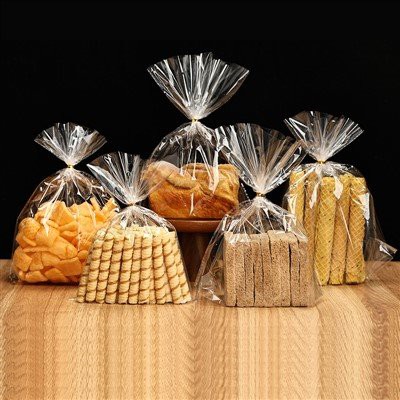
Raw material selection determines the food safety level of OPP bakery bags, which is the core evaluation standard for global food packaging procurement. Qualified OPP bakery bags adopt pure food-grade HDPE and original OPP resin without recycled miscellaneous plastic additives. These raw materials do not contain harmful heavy metals or chemical residues, and will not release toxic substances even when contacting high-temperature baked food. Many unqualified cheap plastic bags use mixed recycled materials, leading to peculiar smell and chemical precipitation that threaten food safety. Raw material suppliers regularly submit test reports to guarantee compliance with EU food contact standards and FDA regulations. Each batch of raw materials is sampled and inspected before production to eliminate impure raw materials.
In addition to basic raw material purity, the production process further strengthens the safety of OPP bakery bags. The whole production workshop maintains dust-free and constant-temperature environment to avoid external contamination during film blowing and cutting. No printing ink or chemical coating touches the inner food contact surface, preventing secondary pollution. Different from printed plastic bags with complicated pigments, conventional transparent OPP bakery bags keep the simplest material composition to minimize chemical risks. Hygiene testing includes high-temperature resistance, oil resistance and dissolution testing to confirm no harmful substance migration. For food importers and bakery wholesalers, food-grade raw material certification makes OPP bakery bags the most compliant and trustworthy disposable packaging solution in international food trade.