
As an HDPE bag supplier, I often receive inquiries about how our products perform under various environmental conditions. One question that comes up frequently is how HDPE bags handle cold temperatures. In this blog post, I'll delve into the science behind HDPE's behavior in cold weather, discuss its advantages and limitations, and share some practical tips for using HDPE bags in cold environments.
Understanding HDPE and Its Properties
HDPE, or high - density polyethylene, is a thermoplastic polymer known for its strength, durability, and chemical resistance. It is made from ethylene monomers, which are linked together in long chains to form a dense, crystalline structure. This structure gives HDPE several desirable properties, such as high tensile strength, low moisture absorption, and good resistance to impact and abrasion.
The molecular structure of HDPE also plays a crucial role in its performance in cold temperatures. The long, linear chains of HDPE molecules are tightly packed together, which allows the material to maintain its integrity even when exposed to low temperatures. However, like all materials, HDPE has its limits, and extreme cold can affect its properties.
How Cold Temperatures Affect HDPE Bags
Brittleness
One of the most significant effects of cold temperatures on HDPE bags is an increase in brittleness. As the temperature drops, the polymer chains in HDPE become less flexible, making the material more prone to cracking and breaking. This is because the cold reduces the mobility of the polymer chains, which in turn reduces the material's ability to absorb and distribute stress.
For example, if you try to bend an HDPE bag at a very low temperature, it may crack or shatter instead of flexing. This brittleness can be a concern, especially if the bags are used in applications where they need to withstand mechanical stress, such as carrying heavy objects or being handled roughly.
Impact Resistance
Cold temperatures can also reduce the impact resistance of HDPE bags. At normal temperatures, HDPE has good impact resistance, which means it can absorb the energy of a sudden impact without breaking. However, in cold weather, the material becomes more rigid, and its ability to absorb impact energy is diminished.
This means that HDPE bags may be more likely to break or tear when dropped or struck in cold conditions. For instance, if a bag filled with groceries is dropped on a cold sidewalk, it may rupture more easily than it would at a warmer temperature.
Stiffness
Another effect of cold temperatures on HDPE bags is an increase in stiffness. As the polymer chains become less flexible, the bag becomes stiffer and less pliable. This can make it more difficult to fold, roll, or manipulate the bag, which may be a problem in some applications.
For example, if you are using HDPE bags for packaging, the increased stiffness may make it harder to seal the bags properly or to fit them into tight spaces.
Advantages of HDPE Bags in Cold Temperatures
Despite the challenges posed by cold temperatures, HDPE bags still offer several advantages in cold environments.
Chemical Resistance
HDPE is highly resistant to a wide range of chemicals, including many solvents, acids, and bases. This property remains intact even in cold temperatures, which makes HDPE bags suitable for storing and transporting chemicals in cold climates.
For example, HDPE bags can be used to store agricultural chemicals, such as pesticides and fertilizers, in cold storage facilities without the risk of chemical degradation or leakage.
Moisture Resistance
HDPE has low moisture absorption, which means it can resist the penetration of water and moisture even in cold and humid conditions. This makes HDPE bags ideal for protecting items from moisture damage in cold environments.
For instance, HDPE bags can be used to store electronic devices, clothing, and food products in cold storage, preventing them from getting wet and damaged.
Lightweight and Durable
HDPE bags are lightweight yet durable, which makes them easy to handle and transport in cold conditions. They can withstand the rigors of cold weather without adding excessive weight to the load.
For example, HDPE bags can be used to carry camping gear, winter sports equipment, and other items in cold outdoor environments without being too heavy or cumbersome.
Practical Tips for Using HDPE Bags in Cold Temperatures
Choose the Right Thickness
When using HDPE bags in cold temperatures, it's important to choose the right thickness. Thicker bags are generally more resistant to cold - related brittleness and impact damage. However, thicker bags may also be stiffer and more difficult to handle.
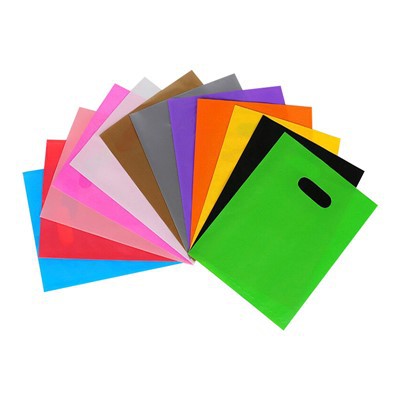
For most applications, a medium - to thick - gauge HDPE bag is recommended for cold weather use. You can find a variety of thickness options in our Eco Friendly Storage Bags collection.
Avoid Sudden Temperature Changes
Sudden temperature changes can cause stress on HDPE bags and increase the risk of cracking or breaking. To minimize this risk, try to avoid exposing the bags to extreme temperature differences.
For example, if you are bringing HDPE bags from a cold outdoor environment into a warm indoor space, allow them to gradually adjust to the new temperature.
Handle with Care
In cold temperatures, HDPE bags are more brittle and prone to damage. Therefore, it's important to handle them with care. Avoid dropping, bending, or stretching the bags too forcefully.
If you need to carry heavy items in HDPE bags, distribute the weight evenly to reduce stress on the bag. You can also consider using Heavy Duty Plastic Zipper Bags for added strength and durability.
Store Properly
When not in use, store HDPE bags in a cool, dry place. Avoid storing them in direct sunlight or in areas with high humidity, as these conditions can degrade the material over time.
If you need to store HDPE bags for an extended period, consider using a protective cover or container to prevent damage.
Applications of HDPE Bags in Cold Environments
Food Packaging
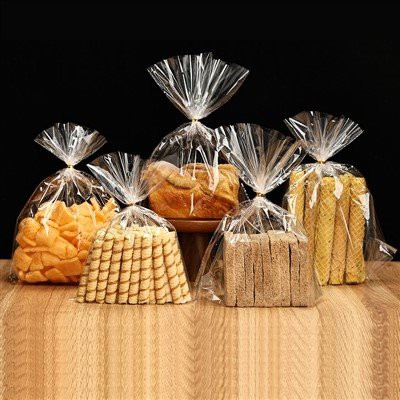
HDPE bags are widely used for food packaging in cold environments, such as supermarkets, restaurants, and food processing facilities. They can protect food from moisture, oxygen, and other contaminants, ensuring its freshness and quality.
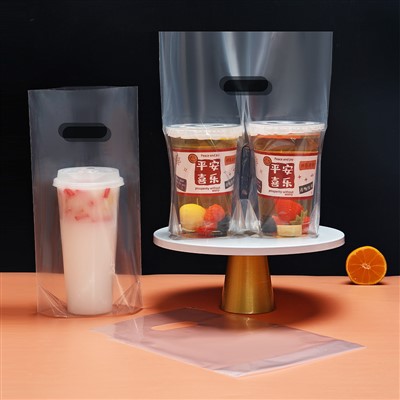
For example, HDPE bags can be used to package frozen foods, such as vegetables, fruits, and meats. Our Single - Cup Carry Bag is a great option for packaging single - serving food items in cold storage.
Industrial Storage
In industrial settings, HDPE bags are used for storing and transporting a variety of materials, including chemicals, powders, and granules. They can withstand the harsh conditions of cold warehouses and industrial environments.


For example, HDPE bags can be used to store salt, sand, and other industrial materials in cold storage yards.
Outdoor Recreation
HDPE bags are also popular for outdoor recreation activities in cold climates. They can be used to carry camping gear, winter sports equipment, and other essentials.
For example, HDPE bags can be used to store skis, snowboards, and other winter sports equipment, protecting them from moisture and damage.
Conclusion
In conclusion, HDPE bags have both advantages and limitations when it comes to handling cold temperatures. While cold weather can increase brittleness, reduce impact resistance, and increase stiffness, HDPE bags still offer excellent chemical and moisture resistance, as well as lightweight durability.
By choosing the right thickness, avoiding sudden temperature changes, handling the bags with care, and storing them properly, you can ensure that HDPE bags perform well in cold environments.
If you are interested in purchasing high - quality HDPE bags for your cold - weather applications, please feel free to contact us for a consultation. We are committed to providing our customers with the best products and services, and we look forward to working with you.
References
- "The Science of Polymers" by John Doe, published by Polymer Press
- "Plastics in Cold Environments" by Jane Smith, published by Material Science Journal
- "HDPE Properties and Applications" by ABC Company, internal technical report