
As a supplier of laminated plastic bags, I often receive inquiries about how our products perform in low - temperature environments. This is a crucial aspect, especially for clients in cold regions or those who require products to be stored in cold conditions. In this blog, I will delve into the performance of laminated plastic bags in low - temperature settings, exploring their characteristics, advantages, and potential challenges.
Characteristics of Laminated Plastic Bags in Low - Temperature Environments
Laminated plastic bags are made by bonding multiple layers of plastic films together. This construction gives them unique properties that can affect their performance in cold weather.
Material Properties
Most laminated plastic bags are made from materials such as polyethylene (PE), polypropylene (PP), or a combination of different polymers. These materials have different responses to low temperatures.
PE has good flexibility and toughness at low temperatures. It can withstand cold environments without becoming brittle easily. For example, high - density polyethylene (HDPE) maintains its mechanical properties well even at temperatures as low as - 40°C. This makes it suitable for applications where the bags need to be handled in cold storage or during winter transportation.
PP, on the other hand, is more rigid than PE. It has a relatively high melting point and can also resist low temperatures to a certain extent. However, at extremely low temperatures, PP may become stiffer and more prone to cracking compared to PE.
Lamination Process
The lamination process also plays a significant role in the bag's performance. A well - laminated bag has better resistance to cold. The lamination helps to enhance the bag's strength and barrier properties. For instance, if a bag is laminated with a layer of aluminum foil, it can provide better insulation and protection against moisture and oxygen, which is crucial in low - temperature environments.
Advantages of Laminated Plastic Bags in Low - Temperature Environments
Preservation of Contents
One of the main advantages of using laminated plastic bags in low - temperature environments is their ability to preserve the contents. The bags can act as a barrier against moisture, oxygen, and other contaminants. For example, in the food industry, laminated plastic bags can keep food products fresh for a longer time in cold storage. They prevent freezer burn by reducing the exchange of moisture between the food and the surrounding environment.
Durability
Laminated plastic bags are generally more durable than single - layer plastic bags in low - temperature conditions. The multiple layers provide additional strength and protection. They can withstand the stresses associated with handling and transportation in cold weather. For example, when bags are stacked in a cold warehouse, the laminated structure helps to prevent the bags from tearing or breaking.
Flexibility
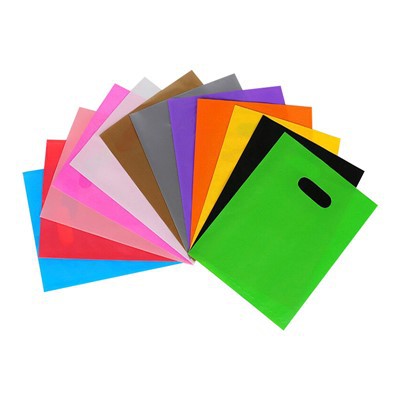
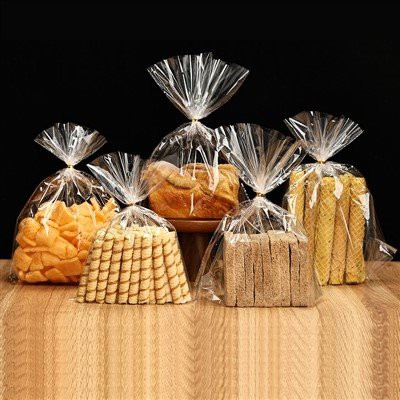
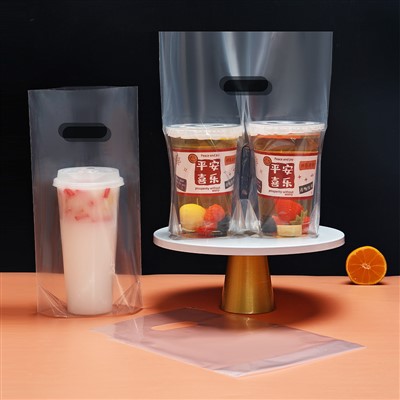
Even in low - temperature environments, laminated plastic bags can maintain a certain degree of flexibility. This is important for applications where the bags need to be folded or manipulated. For example, OPP Printed Bags can still be easily opened and closed, and Plastic Handbag can be carried without becoming too rigid.
Potential Challenges of Laminated Plastic Bags in Low - Temperature Environments
Brittleness
Although laminated plastic bags are relatively durable, they can become brittle at extremely low temperatures. This is especially true for bags made from materials like PP. If the bags are subjected to sudden impacts or excessive bending in cold conditions, they may crack or break.
Delamination
In some cases, the lamination layers may separate in low - temperature environments. This can happen if the adhesive used in the lamination process is not suitable for cold conditions. Delamination can reduce the bag's strength and barrier properties, making it less effective in protecting the contents.
Static Electricity
Low - temperature environments can increase the likelihood of static electricity build - up on the surface of laminated plastic bags. Static electricity can attract dust and other particles, which may contaminate the contents of the bag. It can also cause problems during the handling and filling of the bags.
Strategies to Overcome Challenges
Material Selection
To overcome the brittleness issue, we can select materials that are more resistant to low temperatures. For example, using a blend of polymers or adding additives to the plastic can improve the bag's flexibility and toughness in cold conditions.
Adhesive Selection
Choosing the right adhesive for the lamination process is crucial. There are adhesives specifically designed for low - temperature applications. These adhesives can maintain their bonding strength even in cold environments, reducing the risk of delamination.
Anti - Static Treatment
To reduce static electricity, we can apply anti - static coatings to the surface of the bags. These coatings can dissipate static charges and prevent dust from adhering to the bags.
Applications of Laminated Plastic Bags in Low - Temperature Environments
Food Industry
In the food industry, laminated plastic bags are widely used for packaging frozen foods, such as meat, vegetables, and ice cream. The bags can protect the food from freezer burn and maintain its quality during storage and transportation. For example, OPP Irregular - shaped Bags can be used to package unique - shaped food products.
Pharmaceutical Industry
Pharmaceutical products often need to be stored and transported at low temperatures. Laminated plastic bags can provide a protective barrier against moisture, oxygen, and light, ensuring the stability and efficacy of the drugs.
Cosmetics Industry
Cosmetic products may also require low - temperature storage. Laminated plastic bags can keep the cosmetics fresh and prevent them from spoiling in cold environments.


Conclusion
Laminated plastic bags have both advantages and challenges in low - temperature environments. Their material properties, lamination process, and design can significantly affect their performance. By understanding these factors and implementing appropriate strategies, we can ensure that our laminated plastic bags meet the requirements of our clients in cold conditions.
If you are interested in our laminated plastic bags and would like to discuss your specific needs, please feel free to reach out to us. We are ready to provide you with high - quality products and professional solutions.
References
- "Plastics in Packaging: Properties and Performance" by John W. Summers
- "Polymer Science and Technology" by Donald R. Paul and Christopher B. Bucknall