
When it comes to the world of plastic bags, two types stand out prominently: High-Density Polyethylene (HDPE) and Low-Density Polyethylene (LDPE) printed bags. As a supplier of HDPE printed bags, I've witnessed firsthand the unique characteristics and applications of both materials. In this blog, I'll delve into the differences between HDPE and LDPE printed bags, shedding light on their properties, uses, and advantages.
Physical Properties
Density
The most fundamental difference between HDPE and LDPE lies in their density. HDPE has a higher density, typically ranging from 0.941 to 0.965 g/cm³. This high density gives HDPE bags their characteristic stiffness and strength. On the other hand, LDPE has a lower density, usually between 0.910 and 0.940 g/cm³, resulting in a more flexible and stretchable material.
Strength and Durability
HDPE printed bags are known for their exceptional strength and durability. The high density of HDPE allows it to withstand more stress and pressure without tearing or breaking. This makes HDPE bags ideal for heavy-duty applications, such as packaging industrial products, construction materials, and large quantities of groceries. In contrast, LDPE bags are more flexible but less strong. They are better suited for lighter items, such as clothing, snacks, and small household goods.
Transparency
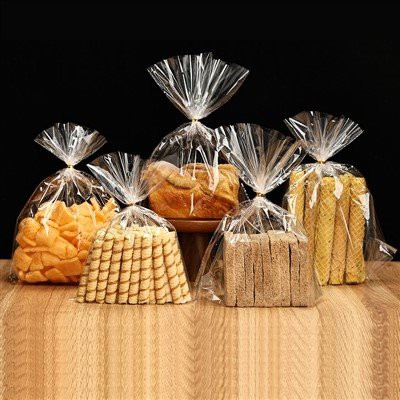
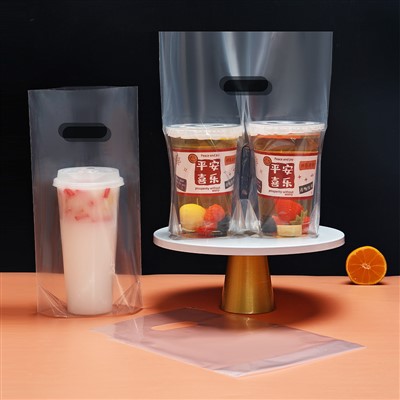
LDPE bags are generally more transparent than HDPE bags. The lower density of LDPE allows light to pass through more easily, giving LDPE bags a clearer and more see-through appearance. This makes LDPE bags popular for applications where visibility of the contents is important, such as packaging food items or retail products. HDPE bags, on the other hand, are often opaque or semi-opaque, which can be an advantage for products that need to be protected from light or for branding purposes.
Manufacturing Process
Extrusion
Both HDPE and LDPE printed bags are manufactured through a process called extrusion. In this process, the plastic resin is melted and forced through a die to form a continuous tube. The tube is then cooled and cut into individual bags. However, the extrusion process for HDPE and LDPE is slightly different due to their different properties. HDPE requires a higher temperature and pressure during extrusion to achieve the desired shape and strength. LDPE, on the other hand, can be extruded at a lower temperature and pressure, making it easier to process.
Printing
Printing on HDPE and LDPE bags is another area where differences can be observed. HDPE bags have a smooth and hard surface, which makes them more difficult to print on compared to LDPE bags. Special printing techniques and inks are often required to ensure that the print adheres properly to the HDPE surface. LDPE bags, on the other hand, have a softer and more porous surface, which allows for easier printing. The print on LDPE bags is often more vibrant and long-lasting.
Applications
HDPE Printed Bags
HDPE printed bags are widely used in a variety of industries due to their strength and durability. Some common applications of HDPE printed bags include:
- Industrial Packaging: HDPE bags are used to package heavy and bulky items, such as chemicals, fertilizers, and construction materials. The strength of HDPE bags ensures that the contents are protected during transportation and storage.
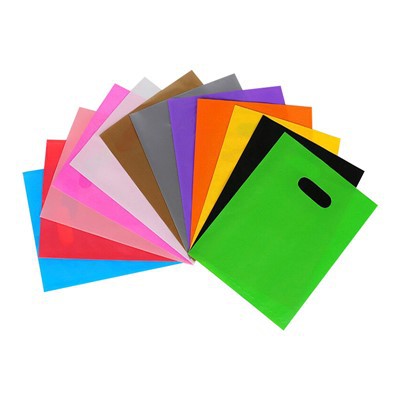
- Grocery and Retail: HDPE bags are a popular choice for grocery stores and retailers. They are strong enough to hold multiple items and can be printed with the store's logo and branding.
- Agriculture: HDPE bags are used to package agricultural products, such as seeds, grains, and animal feed. The durability of HDPE bags helps to protect the products from moisture and pests.
LDPE Printed Bags
LDPE printed bags are more commonly used for lighter and more flexible applications. Some common applications of LDPE printed bags include:
- Food Packaging: LDPE bags are often used to package food items, such as bread, fruits, and vegetables. The transparency of LDPE bags allows consumers to see the contents, and the flexibility of the material makes it easy to seal and store the food.
- Retail and Apparel: LDPE bags are popular for packaging clothing, accessories, and other retail items. The soft and flexible nature of LDPE bags makes them easy to handle and fold, and they can be printed with attractive designs and logos.
- Household and Personal Use: LDPE bags are commonly used for household and personal use, such as storing small items, organizing closets, and packing travel essentials.
Environmental Impact
Recyclability
Both HDPE and LDPE are recyclable materials. HDPE is one of the most widely recycled plastics, and it can be recycled into a variety of products, such as plastic lumber, pipes, and containers. LDPE is also recyclable, but it is not as widely recycled as HDPE. However, many recycling facilities are now accepting LDPE bags, and efforts are being made to increase the recycling rate of LDPE.
Biodegradability
Neither HDPE nor LDPE is biodegradable. However, there are some biodegradable alternatives available on the market, such as bags made from plant-based materials. These biodegradable bags are designed to break down more quickly in the environment, reducing the impact on landfills and the ecosystem.
Conclusion
In conclusion, HDPE and LDPE printed bags have distinct differences in their physical properties, manufacturing processes, applications, and environmental impact. HDPE bags are stronger, more durable, and better suited for heavy-duty applications, while LDPE bags are more flexible, transparent, and ideal for lighter items. As a supplier of HDPE printed bags, I understand the importance of choosing the right material for your specific needs. Whether you're looking for a strong and durable bag for industrial use or a flexible and transparent bag for retail packaging, I can provide you with high-quality HDPE printed bags that meet your requirements.
If you're interested in learning more about our HDPE printed bags or have any questions about the differences between HDPE and LDPE, please don't hesitate to [initiate a conversation to discuss your specific requirements]. We're here to help you find the perfect solution for your packaging needs.


References
- "Plastic Bag Materials: HDPE vs. LDPE." Plastic Bag Manufacturer.
- "Properties and Applications of HDPE and LDPE." Journal of Plastic Science and Technology.
- "Recycling of HDPE and LDPE." Environmental Science and Technology.